

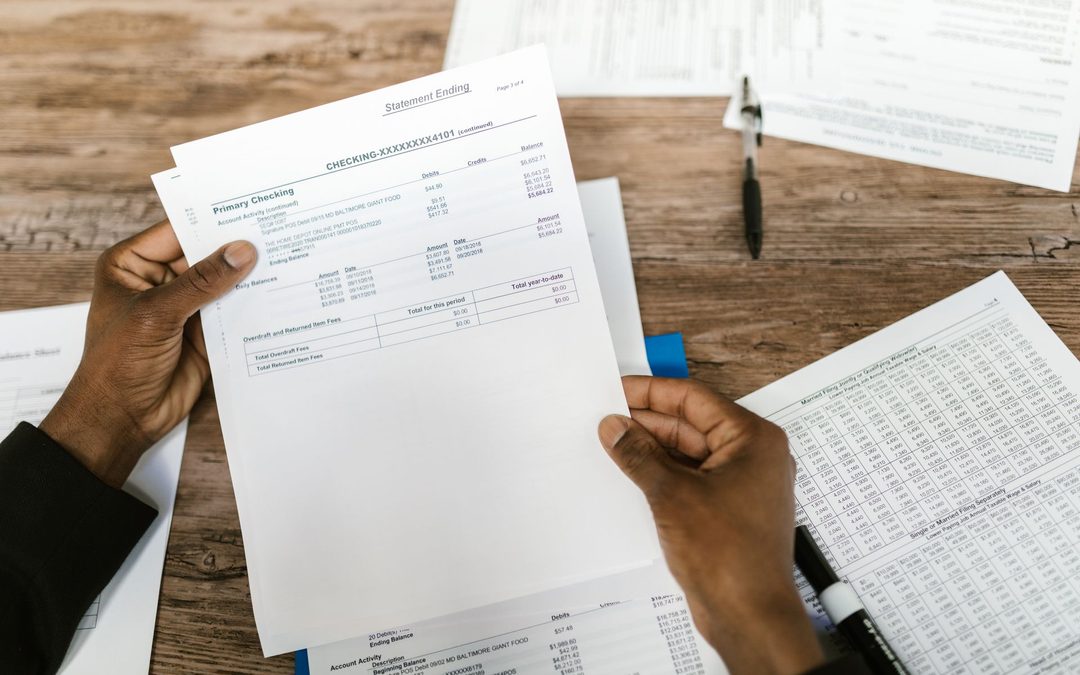
If you run your business on a calendar year, you're already in the fourth quarter. Q4 is simply October through December, the last stretch before the books close on December 31.
It's easy to let it slide by. The holidays are coming, customers are busy, and "I'll deal with the books in January" sounds perfectly reasonable.
But here's what I see every year: owners who find out how their business performed when their tax preparer finishes the return. By then, the year is over, and most of the room to do anything about it is gone.
You still have time. Reviewing your books now lets you ask questions, fix what's wrong, and make decisions while they still matter.
Your Bank Balance Isn't Your Profit
This is the one that trips up most people. Money in the bank doesn't automatically mean the business is profitable, and a low balance doesn't automatically mean it lost money.
Loans put cash in your account that isn't income. Owner contributions do the same. A big equipment purchase can drain the account without showing up as an expense the way you'd expect. A customer paying you in October for work you did in August changes your cash without changing this year's results.
Your profit and loss report is what tells you whether the business is actually making money. Your bank balance only shows what's in the account today.
Know What Customers Still Owe You
Every unpaid invoice is money you've earned but haven't collected. Pull your list of outstanding invoices and look at what's overdue. Then follow up on it.
This isn't about being pushy. It's about knowing how much cash you can realistically count on before the year ends, and not planning around money that may take months to show up.
Know What's Already Spoken For
Look at the other side too. Check unpaid vendor bills, upcoming payroll, loan payments, and anything else due in the next few weeks.
A healthy balance today may already be committed to things that haven't left the account yet. Seeing both sides, what's coming in and what's going out, is what tells you where you stand.
Look for What's Missing or Wrong
Books that are behind or messy tend to have the same handful of problems: expenses that never got recorded, transactions entered twice, personal purchases landing in business categories.
Any of these can distort your reports. And if the reports are off, so is every decision you make from them. These are worth fixing before you rely on the numbers, not after.
Compare What Happened to What You Expected
Once the numbers are reliable, ask a few honest questions. Did revenue grow this year? Did expenses grow faster than sales? Is the business making more money, or just doing more work?
Those answers shape next year's budget and plans, and you can only get them from current books.
Behind on Your Books Going Into Q4?
You don't have to wait until January to find out where you stand. If your books aren't current, let's get them caught up while there's still time to use the numbers.
Get Your Books Current Before Year-End
We'll bring your records up to date so you have reports you can trust.
Where Your Tax Preparer Comes In
Your tax professional needs reliable financial information to estimate where you're headed and to talk through your options. If your books are months behind, that conversation gets harder, and it can happen too late to act.
So give your tax preparer current reports, and talk through what income and expenses you expect between now and December 31. Every business is different, and there's no single set of year-end moves that fits everyone. The point isn't to chase a trick. It's to have the conversation while there's still time to use what you learn.
A Quick Example
Say you look at your bank account and see $40,000. You've been eyeing a piece of equipment, and it feels like there's plenty available to buy it before year-end.
Then you look at the books. Payroll is due in two weeks. You still have vendor bills you haven't paid. A loan payment is coming up, and you'll owe taxes on this year's profit. Suddenly that $40,000 looks a lot smaller.
You might still make the purchase. But now you're deciding based on what's available, not on what the balance happened to say that morning.
Questions to Ask Yourself Now
- Are my books current and my accounts reconciled?
- What is my profit so far this year?
- What do customers owe me, and what do I owe?
- What income and expenses do I expect before December 31?
- Have I scheduled a planning conversation with my tax preparer?
- What do this year's results tell me about next year's budget?
If you can't answer most of these right now, it’s time to get to work.
Take a Look Before the Year Closes
Current books don't change what happened this year. They change when you find out about it. Finding out in November leaves room to plan. Finding out in March leaves you with a tax return.
If you'd like help getting your books up to date and putting together financial reports for your year-end planning conversation, reach out to Fruitful Enterprises. We'll get you what you need so you walk into that conversation prepared.
Schedule your free financial review today.
About Fruitful Enterprises: We help business owners keep their books current and their financial reports reliable, so year-end decisions are made with real numbers.